

Close


Interested in an amazing adventure?
Book Your Journey
Interested in an amazing adventure?
Book Your Journey
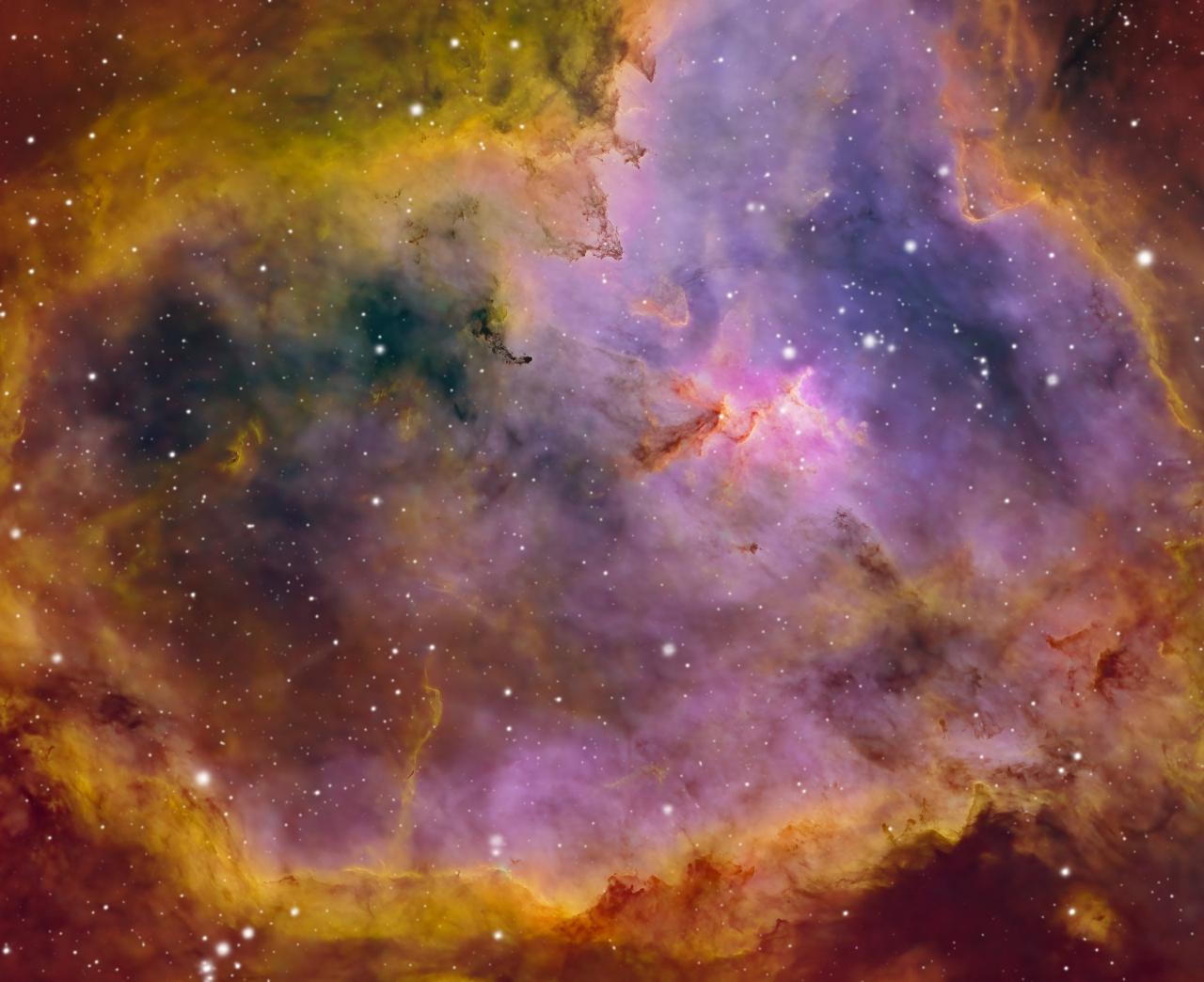
Astronomy is one of the most fascinating sciences—but it’s also surrounded by myths, misconceptions, and viral misinformation. From “bright stars” that are actually planets to dramatic ideas about black holes and the Moon, many popular beliefs about space are simply not true.
In this blog, we break down the most common astronomy myths and explain the real science behind them. If you’re interested in astronomy in the UAE, stargazing in Abu Dhabi, or learning more about the universe, this guide will help you separate fact from fiction.
Reality:
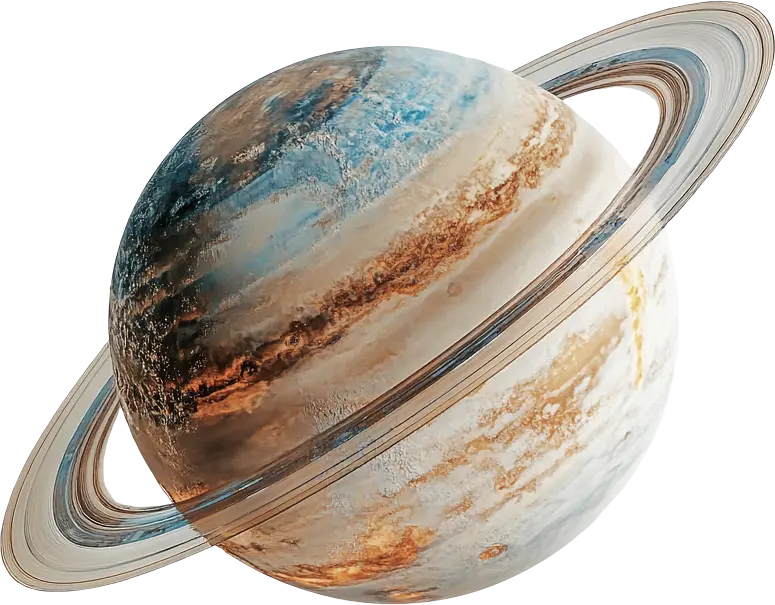
Many of the brightest “stars” you see are actually planets.
Objects like Venus and Jupiter often appear brighter than stars because they reflect sunlight and are much closer to Earth. Venus, in particular, is often called the “Evening Star” or “Morning Star,” but it is actually a planet.
This is a common misconception in beginner stargazing, especially in cities like Abu Dhabi.
Reality:
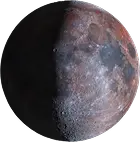
The Moon does not have a permanently dark side.
The idea of a “dark side” is misleading. The Moon is tidally locked, meaning the same side always faces Earth, but the far side still receives sunlight just like the near side.
A more accurate term is the “far side of the Moon,” not the dark side.
Myth 3: Black Holes Suck Everything In Like a Vacuum
Reality:
Black holes do not “suck” objects unless they are very close.
Black holes have strong gravity, but from a distance, they behave like any other massive object. If the Sun were replaced by a black hole of the same mass, Earth would continue orbiting normally.
They only become dangerous if you cross a region called the event horizon.
Myth 4: You Can See the Great Wall of China from Space
Reality:
This is false.
The Great Wall is not visible from space with the naked eye under normal conditions. This myth has been widely spread but has no scientific basis.
Astronauts have confirmed that it is extremely difficult to distinguish it from orbit.
Reality:
Shooting stars are not stars at all.
They are small pieces of rock or dust (meteoroids) burning up in Earth’s atmosphere. As they enter the atmosphere at high speed, they create bright streaks of light.
This is one of the most common misconceptions in astronomy education.
Myth 6: Space is Completely Silent
Reality:
Space has no sound because there is no air to carry sound waves.
Sound requires a medium (like air or water) to travel. Since space is a vacuum, sound cannot propagate. However, electromagnetic waves can be converted into sound for scientific analysis.
Myth 7: The North Star is the Brightest Star
Reality:
Polaris (the North Star) is not the brightest star in the sky.
It is important because it helps with navigation, as it aligns closely with Earth’s rotational axis. However, many stars are significantly brighter.
Reality:
You can only see a small fraction of stars without equipment.
In ideal dark-sky conditions, the human eye can see around 5,000–6,000 stars across the entire sky. In cities with light pollution, like Abu Dhabi, that number is much lower.
Using telescopes—especially modern smart telescopes—reveals thousands more objects, including galaxies and nebulae.
Reality:
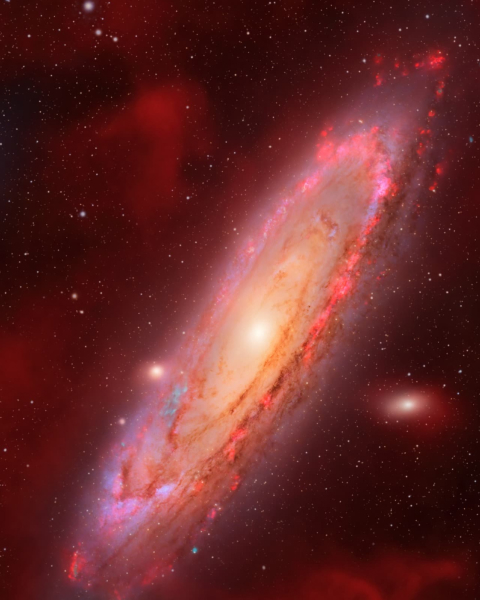
Most deep-sky objects appear faint and colorless through traditional telescopes.
The vibrant colors seen in astrophotography images are revealed through long exposure imaging and processing. Modern systems, including smart telescopes, can simulate this effect through live stacking.
Reality:
Astronomy is now more accessible than ever.
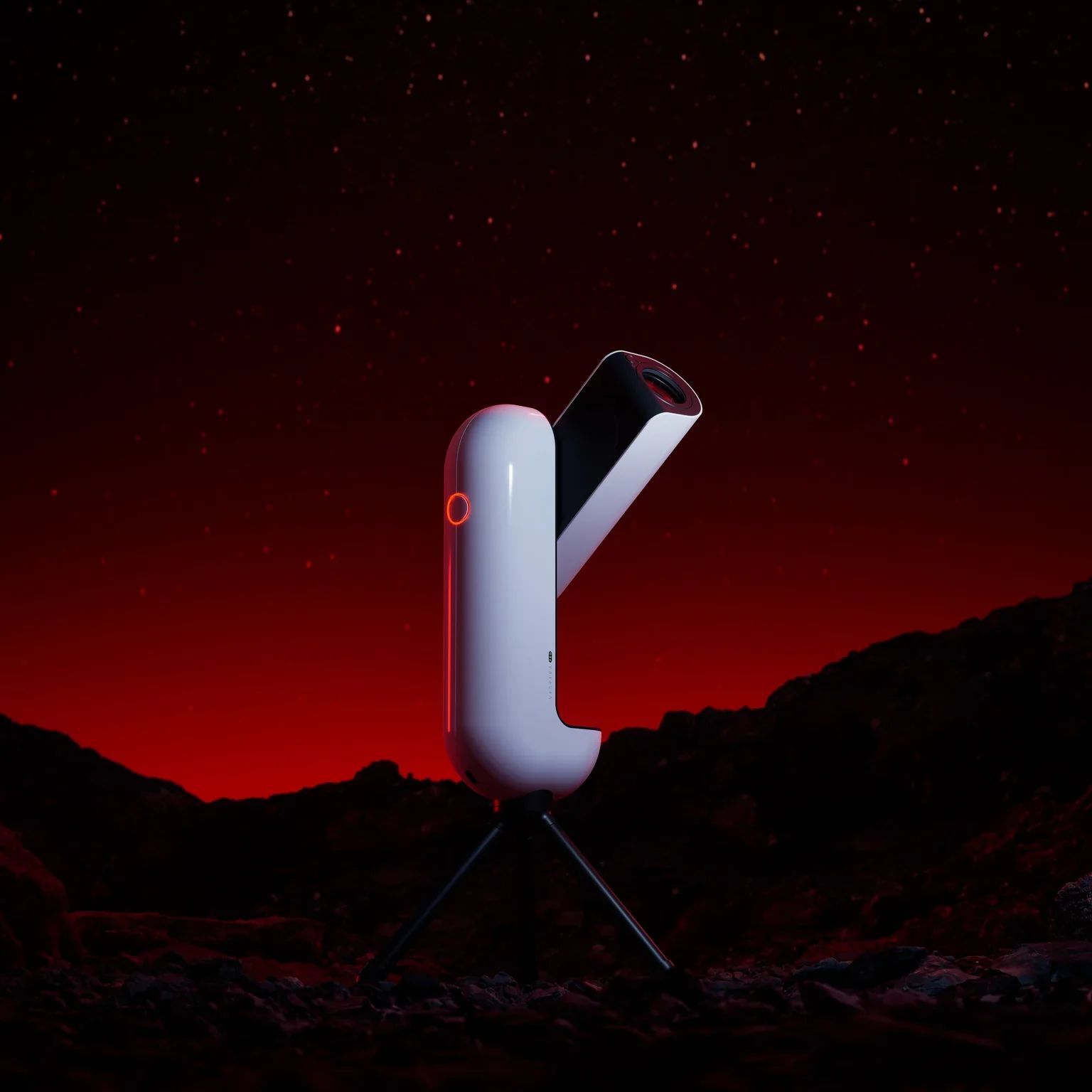
With tools like Vaonis smart telescopes, anyone can explore space without technical knowledge. Automated systems allow users to capture nebulae, galaxies, and planets with minimal setup.
This has made astronomy one of the fastest-growing hobbies worldwide, including in the UAE.
Debunking myths is not just about correcting information—it’s about improving how we understand the universe.
Astronomy helps us:
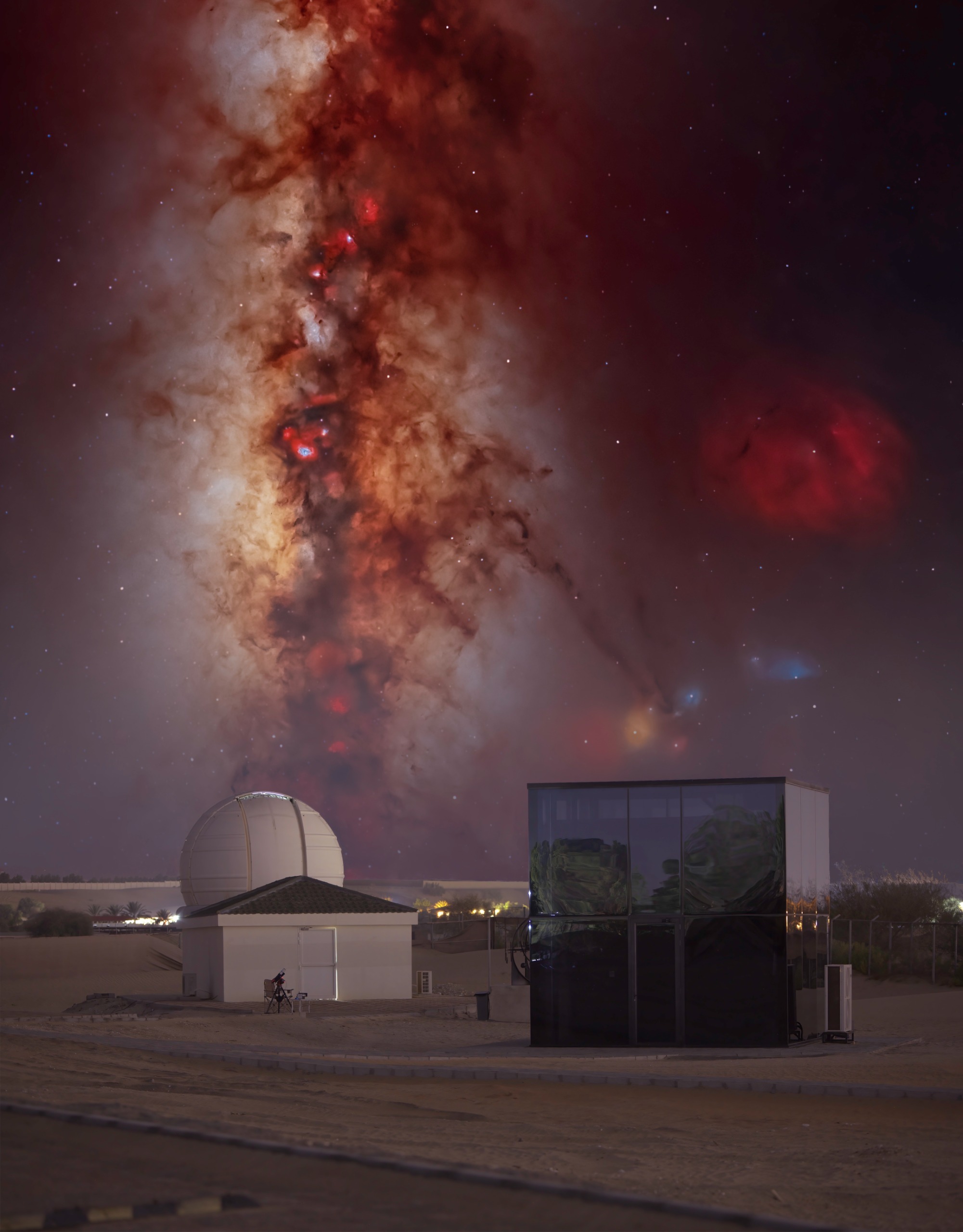
In regions like the UAE, where interest in space is rapidly growing, accurate knowledge plays a key role in building future generations of scientists and explorers.
✓ Success


.jpg)