

Close


Interested in an amazing adventure?
Book Your Journey
Interested in an amazing adventure?
Book Your Journey
-copy.png)
Astrophotography is the art and science of capturing the night sky—revealing galaxies, nebulae, planets, and stars that are invisible to the naked eye. What once required highly technical equipment and years of experience is now more accessible than ever, especially with the rise of smart telescopes like those from Vaonis.
Whether you’re starting from Abu Dhabi or anywhere in the UAE, this guide will walk you through how
to become an astrophotographer—from beginner to advanced.
Astrophotography involves capturing images of celestial objects using specialized equipment. These
include:
● The Moon and planets
● Star clusters
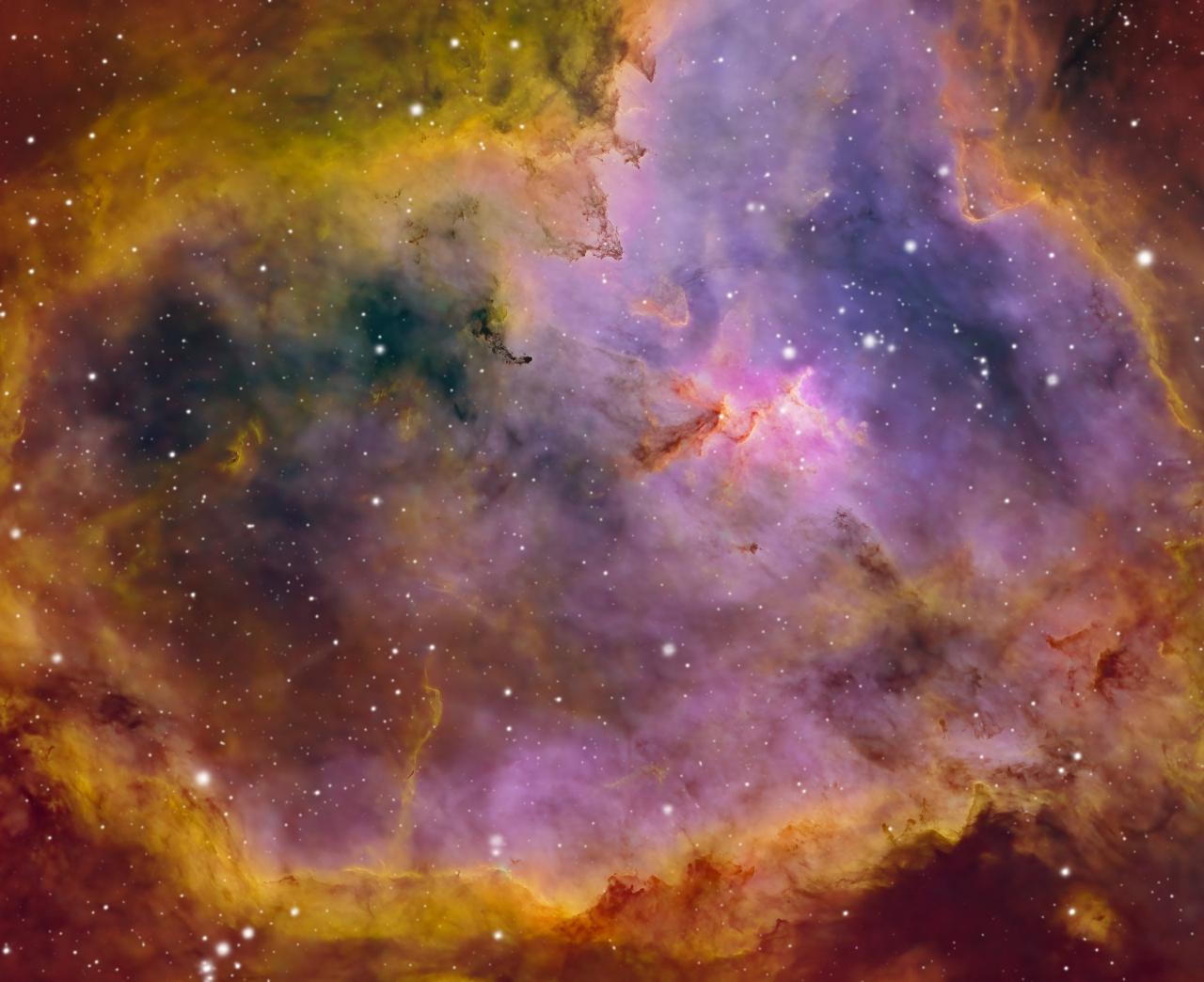
● Nebulae (like Orion and the Rosette)
● Distant galaxies
Unlike regular photography, astrophotography relies on long exposures, precise tracking, and image stacking to reveal fine cosmic details.
Option 1: Traditional Setup (Advanced Path)
A typical astrophotography setup includes:
● DSLR or dedicated astronomy camera
● Telescope or telephoto lens
● Equatorial mount (for tracking stars)
● Tripod and accessories
● Processing software
This route offers full control but requires technical knowledge, setup time, and calibration.
Option 2: Smart Telescopes (Recommended for Beginners)
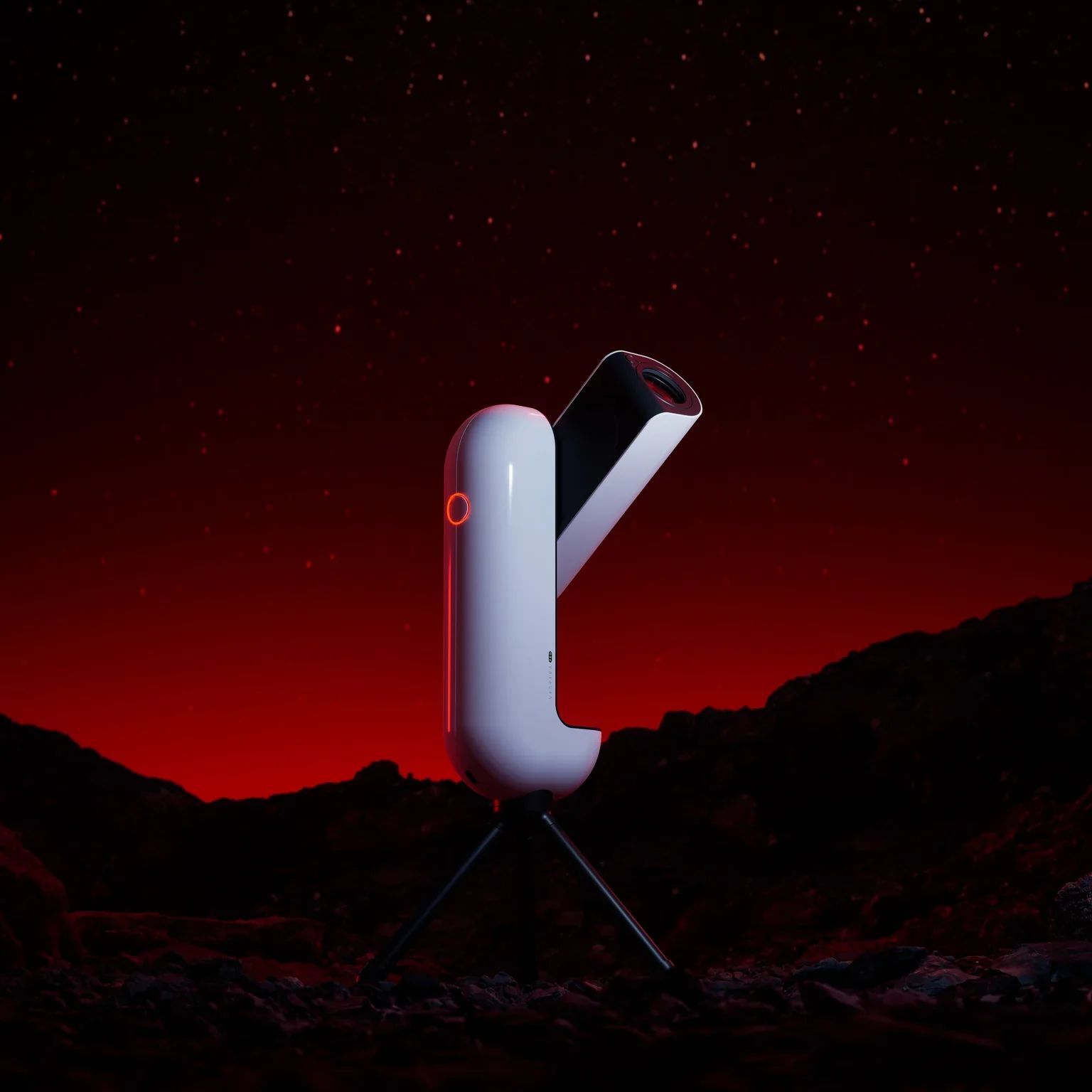
Smart telescopes simplify everything. Brands like Vaonis have revolutionized astrophotography with all-in-one systems.
Popular models include:
● Vaonis Vespera 2
● Vaonis Vespera Pro
● Vaonis Hestia
Why Choose Smart Telescopes?
● Automatic alignment and tracking
● Built-in camera and processing
● Control via mobile app
● Live image stacking
● Portable and beginner-friendly
With these systems, you can capture deep-space objects in minutes without needing advanced technical skills.
Before capturing images, you need to understand what you’re looking at.
Key concepts:
● Constellations and star navigation
● Best targets by season (e.g., Orion Nebula in winter)
● Light pollution and how it affects visibility
● Moon phases and their impact
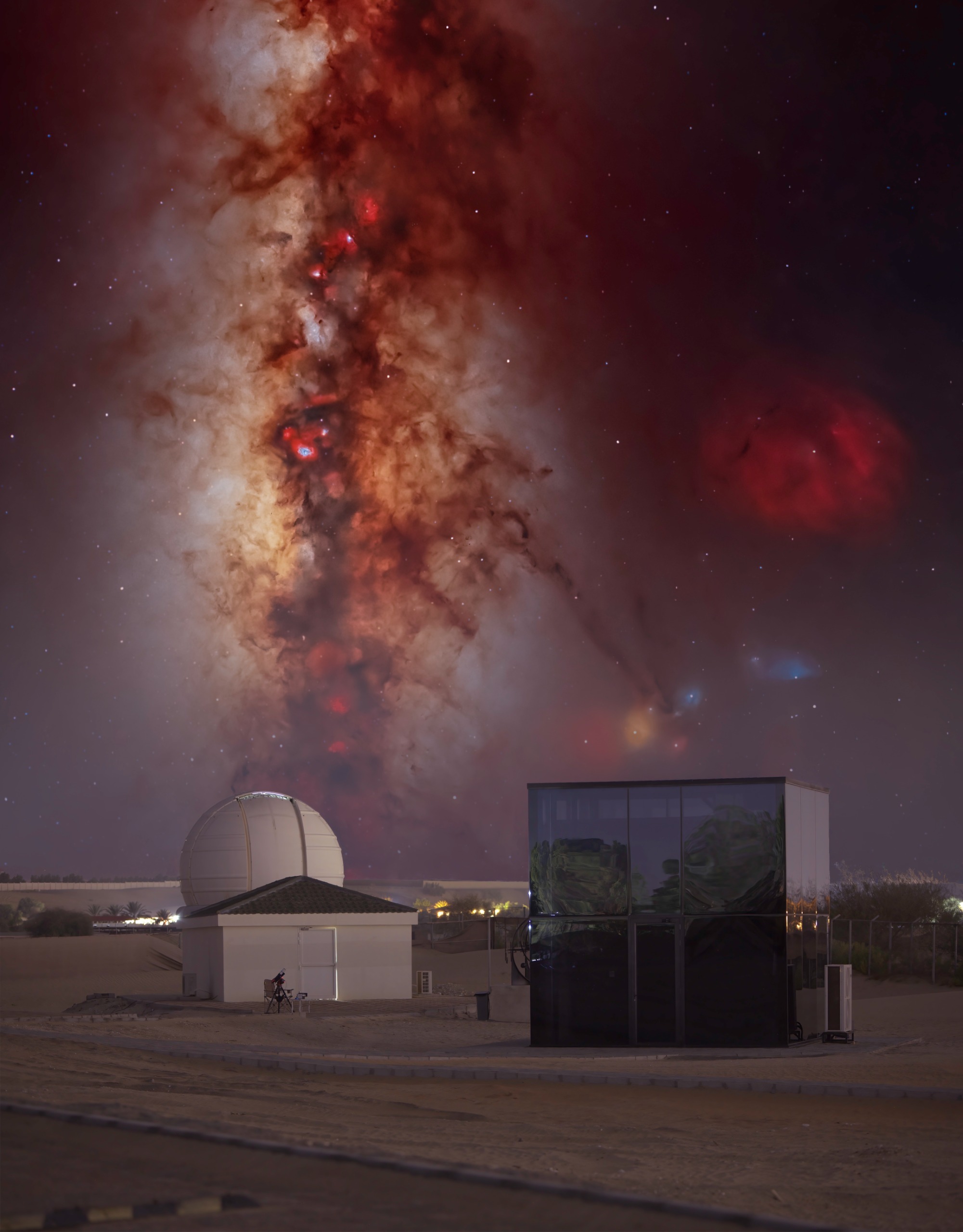
In the UAE, darker locations outside the city (like desert areas) provide better conditions for astrophotography.
For Beginners (Smart Telescope Users) Using a Vaonis telescope:
1. Set up your telescope outdoors
2. Use the app to select a target (e.g., a nebula)
3. Let the telescope automatically align
4. Start capturing—images will stack live
5. Save your final image directly to your phone
For Advanced Users (Manual Setup) You will need to:
● Align your mount precisely with the celestial pole
● Adjust exposure settings (ISO, shutter speed)
● Capture multiple frames (light, dark, flat, bias)
● Track objects accurately over time
This method offers more control but requires practice
Astrophotography doesn’t end when you take the photo—processing is where the magic happens.
Key steps include:
● Stacking multiple exposures to reduce noise
● Enhancing contrast and colors
● Removing light pollution effects
● Highlighting faint details
Popular software:
● DeepSkyStacker
● PixInsight
● Adobe Photoshop
Smart telescopes handle much of this automatically, making them ideal for beginners.
Start with easy and bright objects:
● The Moon
● Jupiter and its moons
● Orion Nebula
● Pleiades (Al Thuraya)
● Andromeda Galaxy
As you progress, you can move to more challenging deep-sky objects.
The UAE offers unique advantages:
● Clear skies for most of the year
● Access to desert locations with low light pollution
● Growing interest in space and astronomy
● Availability of advanced tools like Vaonis smart telescopes
This makes it an ideal place to start your astrophotography journey.
● Start simple—don’t overcomplicate your setup
● Be patient—astrophotography takes time
● Always check weather and sky conditions
● Avoid light pollution when possible
● Practice regularly and track your progress
Astrophotography is no longer limited to experts. With modern technology like Vaonis smart telescopes, anyone can capture stunning images of the universe. Whether you choose a professional setup or a smart telescope like the Vaonis Vespera 2, the mostimportant step is to start.
The universe is waiting—now you have the tools to capture it
✓ Success


.jpg)